


Kenyan Boxers
Discipline, determination, and consistent involvement in major tournaments have fostered a growing legacy for Kenyan boxers in Africa and the world. The country’s boxing ecosystem continues to grow, influenced by past achievements, contemporary training systems, and increasing talent. This article looks at the structure of boxing in Kenya, the country’s boxing history and notable Kenyan boxers, and the prospects of boxing in Kenya. This will help the audience appreciate why Kenya is one of the most respected boxing countries in Africa. Visit Betwinner Kenya now and get to know these heroes today!
Team of Kenyan Boxers
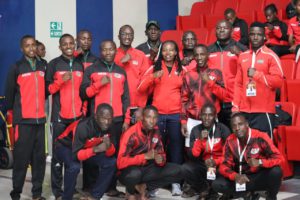
The Kenyan national boxing team is a national representative at the national, continental, and global levels. The team is a combination of athletes from various weight classes, clubs, and training centers. The development of the team is under the Team Kenya Boxers Management and the Boxing Federation of Kenya, which is in charge of coaching, talent identification, and match planning. Before detailing individual achievements, it is important to appreciate the structure and organization of this team as a whole.
Notable Fighters in the Team
The national team has featured many strong members over the years, such as athletes that made a great impact, like Rayton Okwiri, a welterweight champion that acquired popularity due to his participation in international matches as well as the Olympics. Longtime boxer Nick Okoth also partook in numerous Olympics representing Kenya. Another name also well known, and one of the first female boxers to participate in the sport, was Catherine Nanziri.
The numerous contenders from these athletes show the depth within the team. Each fighter has their own individual contribution to the team, depending on their weight class, technique, and style of fighting. The fighter`s performances are a testament to the hard work Kenya has put into their national team.
Training and Preparation
Training for members of the national boxing team is the same, because of the national team`s boxers train in centralized camps before big matches. These camps include a mixture of endurance, sparring, strength, video technique training, and a range of other training activities.
The boxers are also encouraged to participate in local challenges to keep their training skills accurate and the level of strategy within their training and fights high. Defensive training, footwork, strategy, and the accuracy of punches are the main focus within the training. The level of training, set facility funding, and the resources available do give the boxers the opportunity to compete on a high level across the world.
Achievements in International Competitions
During the Olympic Games, the Commonwealth Games, and the All-Africa Games, Kenya has been able to achieve a milestones in history. Kenya’s most prized possession is the 1988 Olympics, in which the world turned its eyes to Kenya as the country’s boxers went home with medals-most of them people of the world did not know were Kenyans.
Recently, boxing as a sport from Kenya has been able to participate in qualification events and in continental and global championships. Though the medals count is not the biggest, the mere participation keeps Kenya visible in the world of boxing.
Story of Kenyan Boxing
The history boxing in Kenya has been shaped by local clubs, national programs and global opportunities. For a better understanding of boxing today, it is good to trace the history and stagnation over the years to a now fully fledged sport in the country.
Origins and History of Boxing in Kenya
The history of modern boxing in Kenya during the colonial time, through military, social urban clubs and warfare. The spirit of the sport after independence. The 60s and 70s were the peak in the sport due to national matches and contiguous regional championships. Thanks to great coaching and a grassroots approach, by the 1980s, Kenya became known on the world stage for producing skilled, competitive boxers who won major titles. This was the start of Kenya’s recognition globally for boxing.
Inspiring Stories of Kenyan Boxers
The history of boxing in Kenya is the history of brave athletes. Many boxers came from humble beginnings and showed great discipline and sportsmanship in moving up the tiers of the boxing clubs. These journeys show the potential of boxing for the personal growth and achievement of the sportsman.
One of the greatest boxers in Kenya was Philip Waruinge, who won an Olympic medal in 1968. He became a hero for thousands of boxers, showing them that Kenyan fighters could go head-to-head with the best in the world. He also became an inspiration to many boxers who joined the ring.
Challenges and Triumphs
Overcoming various challenges like inadequate training facilities, financial troubles, and little exposure to international boxing matches, this country’s boxing representatives have had an amazing tier of success. Kenya boxing reflects the growing potential of the sport, and the long-term focus and discipline Kenyan fighters have cultivated to succeed regardless of the challenges ahead. Kenya boxing is steadily achieving success and overcoming challenges and this success is impacting the training and infrastructure available to boxers. Partnerships with the government, international collaborations, and private sector sponsorships are starting to positively impact Kenya boxing.
Impact of Kenyan Boxers
Kenyan fighters bring a sense of countrywide pride, enhance the global image of the country, and rally the youth. Beyond helping to promote Kenya on the global stage through sport, boxers also greatly assist the community.
Influence on Youth and Sports Culture
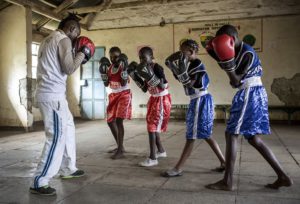
Aspiring athletes acquire positive discipline and commitment attention through role model countrywide team boxers. Boxing is also used to promote confidence and discipline, along with general physical activity, in community centers and schools. Youth that are constructively occupied are less likely to participate in anti-social activities and boxing helps to promote positive and active lifestyles.
Boxing involvement also helps grow the sport in Kenya. It helps bring communities together of all tiers for matches and helps discover new talent. Thus, boxing helps keep its relevance in Kenya.
Recognition on Global Stage
Kenya’s boxers have been starting to acquire recognition worldwide. They compete in Africa’s major boxing matches and have representation for Kenya in the World Championships and Olympic boxing qualifiers.
Boxing may be considered one of the more difficult sports, however, Kenyan fighters have earned much respect internationally due to their sheer determination and effort. This recognition, in turn, has allowed for the expansion of boxing programs in Kenya where boxers can compete and train at advanced tiers.
Future Prospects for Kenyan Boxers
The new and innovative boxing programs show promise in growing generations of elite boxers. With the positive involvement of youth, and the international competitiveness expected as boxing programs expand in third-world countries, the sport at a global tier will rapidly progress. The new boxing tournaments scheduled for the near prospects, including in Nairobi and various other locations, will offer platforms for promising boxers to show their skills and gain international exposure.
Emerging Talents
In the lightweight, bantamweight, featherweight, light flyweight, light-flyweight, and light welterweight divisions, rising stars have made a name for themselves at the many countrywide championships and youth tournaments. New grassroots programs have Integrated Mentorship for boxers and trainers, where head coaches teach boxers the ins and outs of proper and effective nutrition.
Boxers, Onyango, David, John, Robert, and Omondi Have Recently Drafted First International Competitions, Enhancing Their Skills For Their First Major Event. Their Arrival Will Place An End To Kenya’s Dormant Activities In International Boxing And Gain Public Attention.
Kenya Boxing Association is still the best for talent scouting and selection, ensuring a systematic and balanced selection is conducted for each tier of tournament. Countrywide squads, also known as the hit squad, train at police deports, and other discipline and skill-preserving centers, such as the Police training center.

Upcoming Competitions
African Championships, Olympic Qualifiers, and Commonwealth Games are nearby for Kenyan boxers, who have upcoming tournaments to attend. These tournaments serve as a great platform for boxers to pick up experience as well as train and coach structures to get better.
There is the capacity for even more opportunities through regional professional events and tournaments that are by invitation only. With steady backing and preparation, Kenya should be able to maintain or even increase their position within their continental and global standings.
Conclusion
Kenyan boxing is expanding due to the establishment of effective countrywide teams, the increase in new fighters, and the augmentation of an existing legacy. The resolve within the sport, while facing the usual hardships, will ensure that the boxers and coaches will get to their finishes. The young boxers are a great influence and contribute to the representation of the country in a great way. Kenyan boxing is growing, and will collaterally grow with the sport, and with the world stage. The sport is expanding, and the opportunities for participation at the world tier are multiplying. Kenyan boxing is expanding. The future is bright.
FAQ
What is the history of boxing in Kenya?
After colonization, Kenya boxing began and grew after the country became independent with the setting up of boxing countrywide tournaments and clubs. The sport began to receive global attention in the 70s and 80s with improvements in training and athlete development.
Who are the most famous Kenyan boxers?
Philip Waruinge is one of the most recognized Kenyan boxers. He became famous worldwide and motivated several boxers. Other famous boxers are Catherine Nanziri, Nick Okoth, and Rayton Okwiri.
How does the Kenyan boxing team train?
Training consists of physical preparation, conditioning, and sparing, as well as carrying out tactical plans, tactical drills, and conducting exercises. Before targets tournaments, formal training sessions are organized at training camp.
What challenges do Kenyan boxers face internationally?
The challenges include lack of resources, sporadic funding, and limited chances to overseas spar. Nonetheless, Kenyan boxers keep training to high standards and keep being competitive.
What are the future prospects for Kenyan boxing?
The future looks positive, especially with the emergence of young promising boxers, improved grassroots activities and an emphasis on greater engagement in continental and international competitions.